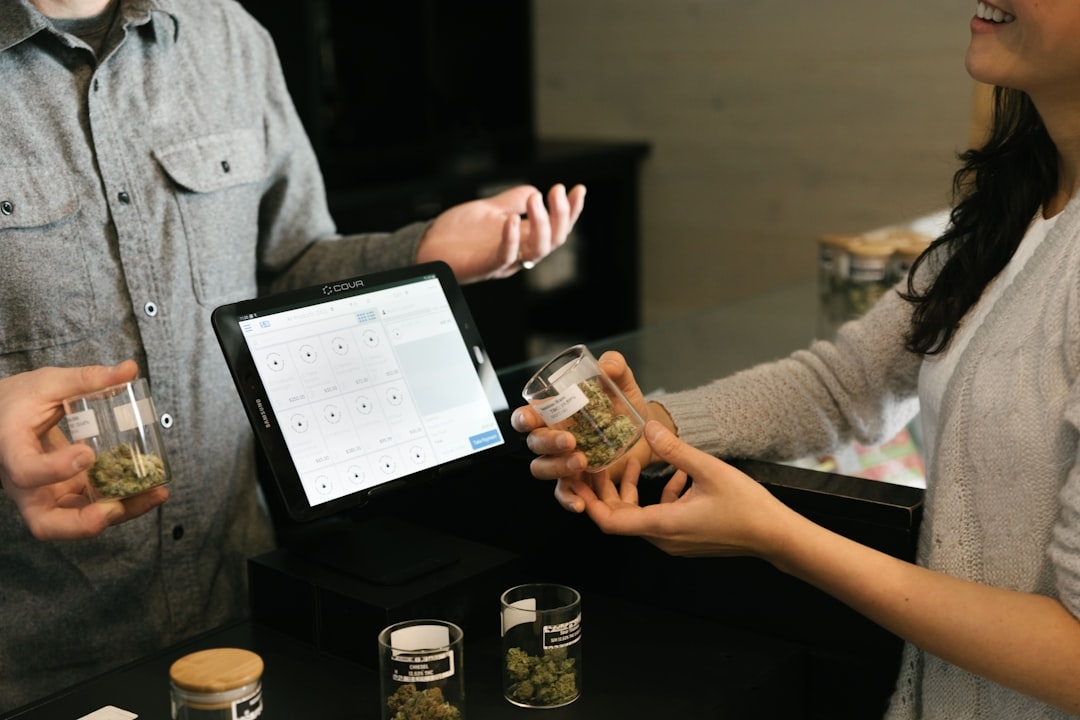
Cannabis dispensaries play a critical role in community engagement. It's not just about selling products; it's about understanding the local vibe and what people actually need. Dispensaries in Belmont, CA, for instance, have to be in tune with their neighborhoods. They need to know their customers—be it recreational users, medical patients, or folks just curious about cannabis.
Key Points about Community Engagement:
Engaging with the community starts with listening. Dispensaries can host local events or participate in town meetings. This gives them a real sense of what local issues are, what people care about. It makes a difference. If dispensaries don't engage, they risk losing touch. They might end up offering products nobody wants. Or worse, they may find themselves at odds with community values.
Another common mistake is assuming a one-size-fits-all approach works. It doesn't. Every community is different. What's important in one area might not matter in another. Dispensaries have to be flexible, willing to adapt their offerings based on what they learn from their community interactions.
Building these relationships isn't just good for business; it's essential. When dispensaries understand their community, they can also better educate their customers. They can provide guidance on safe, compliant cannabis use, which is crucial for maintaining trust and transparency. In the end, effective community engagement leads to stronger relationships and a more responsive, customer-focused dispensary.
To effectively engage with local communities, cannabis dispensaries need to dig into the actual needs and concerns of the people they serve. It's about listening and observing, not just guessing. Community surveys can be a great starting point. These surveys should be specific, asking locals what they expect from a dispensary. Are they looking for educational workshops? More options in products? Better customer service? Vape cartridges Belmont CA shoppers compare should be licensed, tested, and clearly labeled, because mystery oil is not a wellness strategy. Tailor questions to get honest feedback.
Another tool is hosting community forums or town hall meetings. These gatherings allow direct communication between dispensary staff and residents. People can voice their concerns, and dispensaries can explain their operations and benefits. This face-to-face interaction builds trust and transparency. It's also a chance to address any misconceptions or fears about cannabis usage.
Social media can’t be ignored either. Platforms like Facebook or Instagram are useful for ongoing dialogue. Dispensaries can post updates, answer questions, and even create polls to gauge community interest in new offerings or events. Just remember to keep the tone conversational and approachable.
Missing out on these methods can lead to misunderstandings or even community pushback. If dispensaries don't actively engage, they risk becoming disconnected from the very people they aim to serve. Missteps often come from not asking the right questions or failing to follow up on community input. So it's crucial to not only gather information but also act on it. This helps ensure that the services and products offered truly meet the needs of Belmont's diverse community.
Hosting community meetings is a practical way for dispensaries to engage with local residents. These gatherings provide a platform for open dialogue, where community members can express their concerns and expectations. Dispensaries can use these meetings to explain their operations, address misconceptions, and demonstrate their commitment to being responsible neighbors. It's crucial to hold these meetings regularly to maintain an ongoing conversation. Failing to engage this way might result in misunderstandings and a lack of trust from the community.
Forming partnerships with local organizations can significantly enhance a dispensary's reputation. By collaborating with nonprofits or local businesses, dispensaries can show they care about the community's wellbeing. These partnerships might involve joint events, sponsorships, or charity work, all of which help to build goodwill. Without such efforts, a dispensary may appear disconnected or solely profit-driven. Local partnerships can bridge gaps and create a sense of shared purpose.
Offering educational workshops is a proactive way to engage and inform the community. These workshops can cover topics like safe cannabis use, the benefits of medical marijuana, or the regulatory landscape. By educating the public, dispensaries can dispel myths and promote responsible consumption. Workshops also position dispensaries as knowledgeable resources rather than just vendors. Ignoring education can lead to misinformation and fear within the community.
Establishing clear feedback channels allows dispensaries to understand community needs and concerns directly. This can be achieved through surveys, suggestion boxes, or online forums. Feedback not only informs dispensaries about community sentiments but also demonstrates that they value local input. Without these channels, dispensaries risk being out of touch with the community's evolving expectations. Listening and responding to feedback is key to maintaining trust.
Maintaining transparent communication is essential for building trust with the community. Dispensaries should be open about their business practices, compliance with regulations, and any changes that might affect the community. Transparency helps dispel fears and build confidence among residents. Without it, suspicions and rumors could damage reputations. Clear, honest communication ensures that the community feels informed and respected.

Ineffective community engagement can be a real headache for cannabis dispensaries. Start by thinking about what happens if the local community feels ignored or misunderstood. People might start talking, and not in a good way. Community backlash can lead to protests or negative press, which nobody wants. It can also create friction with local government. Regulatory challenges might arise if the dispensary is seen as a bad neighbor. This can complicate compliance with local laws or lead to stricter regulations, making business operations more challenging.
Mistakes often happen when dispensaries assume they know what the community wants without asking. Or they might engage in a way that feels forced or insincere. And timing matters. Engage early and often, not just when there’s an issue to address. If you get it wrong, the backlash can be swift and damaging. But get it right, and you’ll not only avoid risks but also create a supportive community base that can drive your business forward.
So, how do you avoid these pitfalls? First, listen. Really listen to what the community needs and expects. This isn't just a box-ticking exercise. It's about building trust. When dispensaries take the time to engage properly, they can tailor their offerings to better serve their customers. This means understanding concerns about safety, security, and product quality. It’s not just good practice; it’s essential for building long-term relationships.




Navigating compliance with local laws while engaging with the community is crucial for cannabis dispensaries. In places like Belmont, CA, where the cannabis industry is tightly regulated, understanding and adhering to these laws isn't just recommended—it's necessary. Dispensaries must ensure their outreach efforts align with municipal codes. This could mean anything from zoning restrictions to advertising guidelines. Ignoring these can lead to fines or even loss of license, which is a big deal.
Ethical considerations are another layer. Building trust with the community isn’t just about following rules; it’s about being transparent and respectful. For example, a dispensary might sponsor local events or educational workshops. But it’s important these initiatives genuinely aim to educate and support the community, not just promote sales. People can see through insincere efforts, and that can damage reputation.
Key Points to Consider:A common mistake is not engaging with a diverse group of stakeholders. It's easy to focus outreach on current customers, but understanding broader community concerns—like those from local schools or businesses—is vital. This helps in tailoring services that are actually needed, avoiding backlash from groups who feel unheard or neglected.
If a dispensary fails to engage properly, it risks alienating the very community it aims to serve. Worse, it might face legal hurdles that could have been avoided with a bit more effort and attention to detail. In the end, community engagement isn't just a box to tick—it's about building a foundation of trust and mutual benefit. That's what makes the difference.
Cannabis dispensaries in Belmont, CA, have been making strides in community engagement, setting examples for others in the industry. One effective strategy involves hosting educational workshops. These workshops aim to inform the community about cannabis, addressing both the benefits and the potential risks. They create a platform for open dialogue, allowing residents to voice their concerns and ask questions. This proactive approach helps dispel myths and reduces stigma, fostering a more informed community.
Another successful tactic is partnering with local organizations for community service projects. Dispensaries in Belmont have collaborated with non-profits to organize clean-up events and food drives. These initiatives not only give back to the community but also show that dispensaries are committed to being responsible neighbors. It's about building trust and showing that they care about more than just business.
Key Community Engagement Strategies:
Dispensaries also tailor their product offerings based on community feedback. By actively seeking input from customers and local residents, they can adjust their inventory to better meet the needs of the community. This might mean stocking more CBD products for those seeking relief without psychoactive effects or offering educational materials for those new to cannabis. Ignoring these needs could lead to dissatisfaction and a disconnect between the dispensary and its community.
What happens if dispensaries neglect community engagement? They risk alienating the very people they aim to serve. Without these efforts, misunderstandings can fester, leading to resistance and negative perceptions. It's not just about selling products; it's about building a relationship. A dispensary that listens and adapts can thrive, while one that ignores its community might struggle to find acceptance and support.
Cannabis dispensaries looking to connect with their local communities in Belmont, CA have some practical tools and technologies at their disposal. First up, social media platforms. They’re a direct line to the community. Posting regularly on Instagram or Facebook can keep customers informed about new products, events, or changes in store hours. It’s about being present in the digital spaces where your audience hangs out.
Then there’s email marketing. Not everyone checks social media daily, but most people look at their email. Sending out newsletters with updates, promotions, or educational content can build a loyal customer base. Dispensaries can use tools like Mailchimp or Constant Contact to keep it organized and ensure messages actually reach people.
For those wanting to go beyond digital, hosting community events is a solid move. These can be anything from educational workshops to fun community gatherings. They provide a face-to-face connection, which is something technology can’t fully replace. It’s also a chance to listen and learn directly from the community, understanding their needs and concerns.
Dispensaries should also consider partnerships with local organizations. Collaborating with nonprofits or community groups can amplify efforts and foster goodwill. But here’s the thing: it’s important to be genuine. Folks can tell when you’re just ticking a box.
Finally, don’t overlook the power of feedback. Setting up a simple system to gather customer opinions—be it through surveys or suggestion boxes—can guide improvements and align offerings with what people actually want. Ignoring community input? That’s a missed opportunity. It can lead to missteps that distance a dispensary from its customers. Engaging with the community isn’t just about outreach; it’s about building a relationship that benefits everyone involved.
Trying to find a dispensary in Belmont CA can be a simple way to explore regulated weed products close to home. For Peninsula residents and visitors, a licensed dispensary can offer helpful guidance for both beginners and experienced shoppers.
A quality dispensary in Belmont CA may carry popular cannabis products like gummies, vape cartridges, flower, and pre-rolls. New cannabis consumers can ask about which products may fit their comfort level. Experienced customers may look for specific strains, terpene profiles, premium flower, concentrates, or limited product drops.
When choosing a legal weed dispensary Belmont CA, it is important to look for regulated cannabis stores that prioritize safe sourcing, transparent product information, and helpful service. Buying from a licensed Belmont dispensary helps ensure that products are held to state standards for adult-use cannabis.
Whether you are curious about edibles, interested in flower, or looking for a discreet vape option, a Belmont weed shop can help you find the right product for your needs. Always start low and go slow, especially with new products. Because in Belmont, being prepared is smart, but accidentally eating too many gummies before dinner is how a quiet night becomes a very long episode.
Marijuana in California is unlawful under USA government law, yet lawfully sanctioned for clinical use given that 1996 and for entertainment usage because late 2016 under The golden state regulation. The state of California has actually been at the leading edge of efforts to liberalize cannabis legislations in the USA, starting in 1972 with the country's initial ballot initiative attempting to legalize cannabis (Proposal 19). Although it was unsuccessful, The golden state would certainly later become the initial state to legislate medical cannabis with the Compassionate Usage Act of 1996 (Recommendation 215), which passed with 56% citizen approval. In November 2016, California citizens approved the Grownup Use of Marijuana Act (Recommendation 64) with 57% of the ballot, which legislated the recreational use of marijuana. As an outcome of leisure legalisation, city governments (city and region) may not restrict adults from expanding, making use of, or delivering marijuana for personal use. Business tasks can be regulated or prohibited by local governments although distributions can not be restricted. Adhering to entertainment legalization, existing farmers and vendors of medical cannabis were required to register, abide by regulations, and make an application for permits. Over fifty percent of the not-for-profit dispensaries lawfully offering medical marijuana shut. Neighborhood firms have actually been slow to accept retailers selling cannabis for recreational functions with the majority of cities and counties prohibiting retail with a wait and see approach. Many existing growers have actually been sluggish to request permits as it has actually been estimated that 60 percent or more of all cannabis consumed in the United States originates from north California. The export of cannabis to other states continues to be prohibited since the U. S. Drug Enforcement Administration considers it a Schedule I drug. Reducing prohibited activity is taken into consideration necessary for the success of lawful procedures that pay the substantial taxes assessed by state and regional authorities. Many people do not have close-by retailers offering cannabis and continue to purchase from unlicensed sellers. Illegal growing continues in remote backwoods. Raids and confiscation by police of unlawful retail and grow operations have actually proceeded and sometimes tipped up after legalization. California's main governing companies were originally the Bureau of Cannabis Control (BCC), Department of Food and Farming, and Division of Public Health And Wellness. Their obligations were combined under the Division of Marijuana Control in 2021.
.


I like this place. Super close to me great prices and great prices. Love the vibes too

Good spot with great customer service. They make great recommendations

Such a clean and esthetic look! Love the options! Love the music! Love the customer service! 30% first time customers!! Will be back!

Staff were very attentive and helped me find some new products I’d never tried before. Super stoked to have these guys in my neighborhood, definitely worth checking out!!


